KDMC begins second phase of Aadharwadi biomining project to process waste
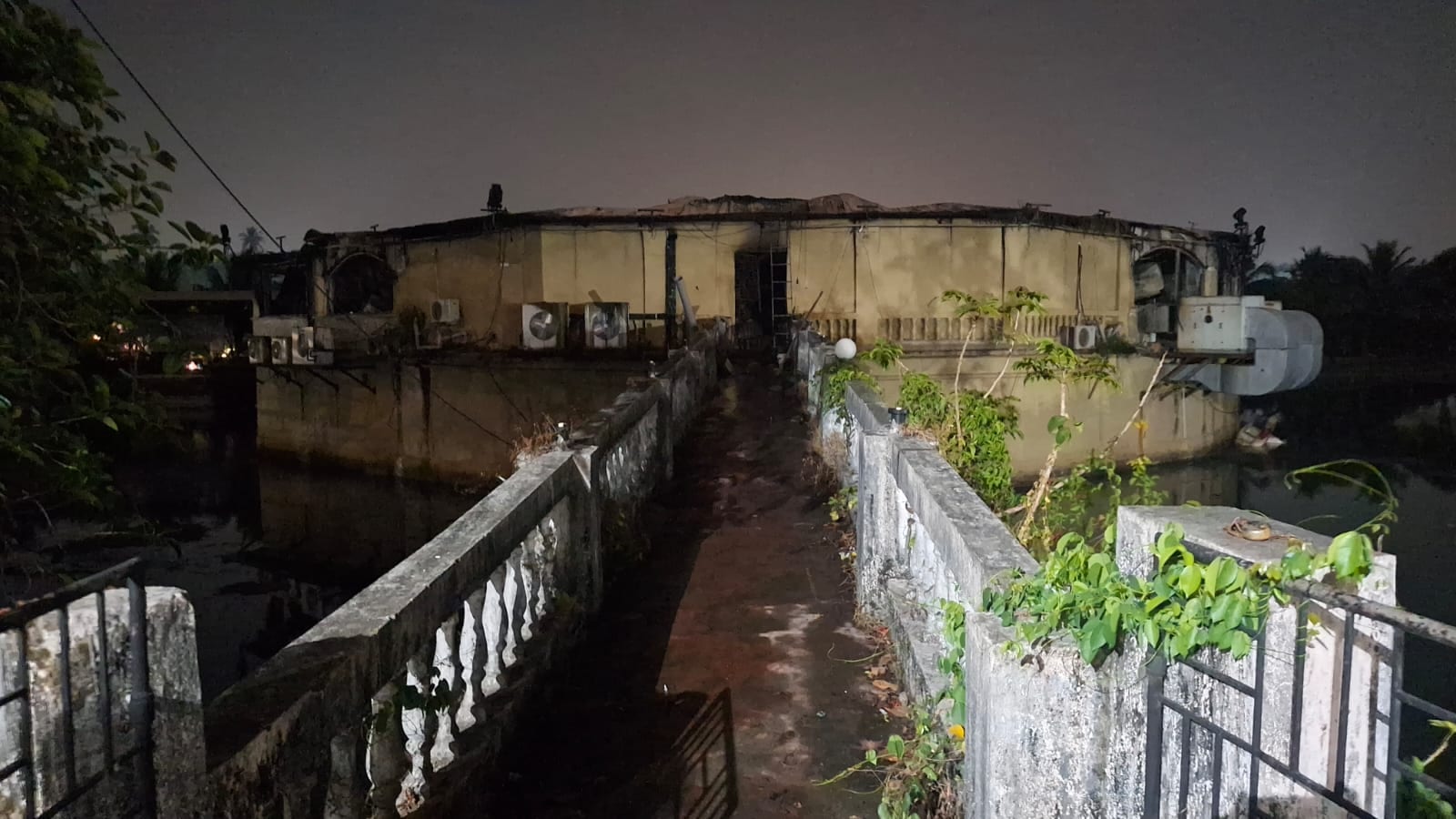
Kalyan-Dombivli Municipal Corporation has begun the second phase of its Aadharwadi biomining project near Mumbai, aiming to clear and process accumulated waste over the next six to eight months, improve civic cleanliness, and create space for future urban development
 Amritpal Singh Sanhotra
The Kalyan-Dombivali Municipal Corporation (KDMC) has initiated the second phase of the biomining project at the Aadharwadi dumping ground. Under this ambitious plan, approximately nine lakh metric tonnes of waste will be processed using biomining techniques to clear the entire site at Kalyan, Municipal Commissioner Abhinav Goyal informed. He also directed officials to accelerate work by deploying additional machinery and manpower.
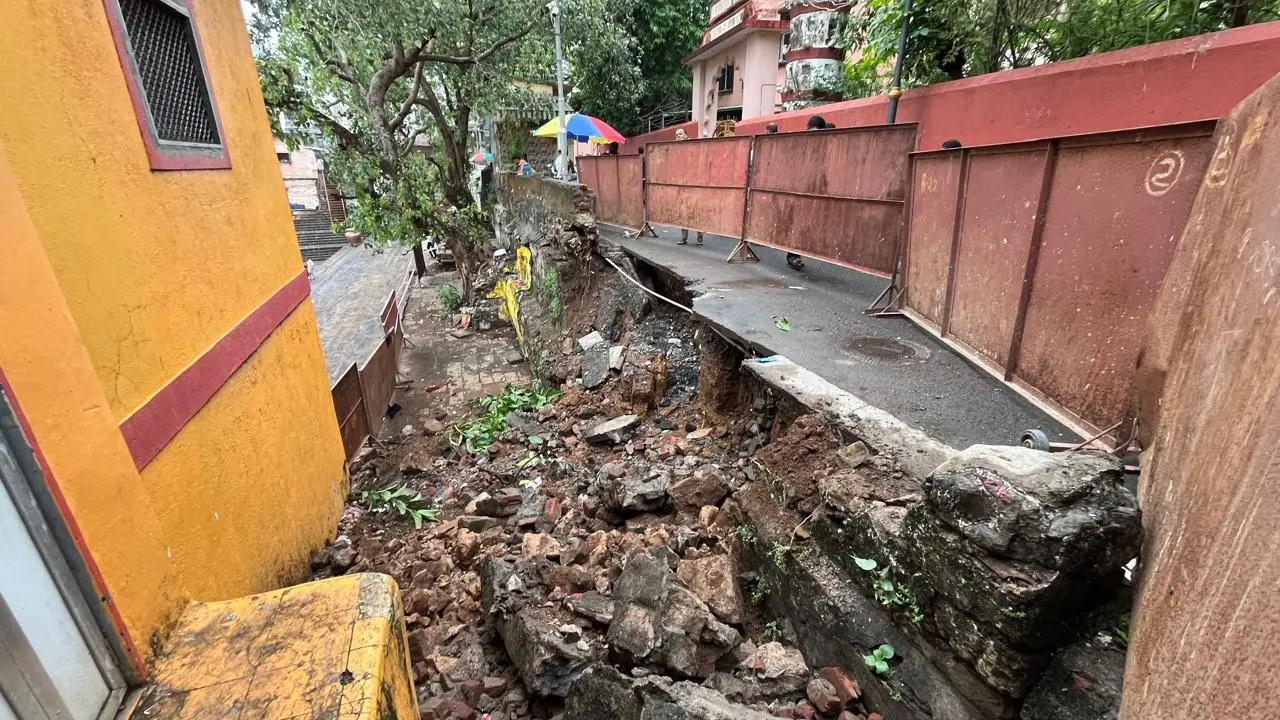
Goyal, along with Additional Commissioner (Solid Waste Management) Ramdas Kokre, inspected the ongoing operations at Adharwadi, as well as the wet and dry waste management projects at Umbarde and Barave in Kalyan. He highlighted that waste dumping at Adharwadi had been stopped since the Covid-19 period, and the biomining process has successfully segregated thousands of metric tonnes of waste so far. Refuse derived fuel (RDF) generated from the process is being supplied to cement factories, while the soil recovered will be used for proposed civic landfill projects, the civic body said in a statement.
The project will also facilitate future development of a proposed ring road from Durgadi to Barave once the site is cleared. Goyal said the work is expected to be completed within the next six to eight months and urged officials to enhance machinery and workforce deployment to maintain pace. The cleared space will later be used for city beautification, parks, and other public amenities.
KDMC civic chief reviews Barave and Umbarde waste projects in Kalyan
During the inspection, Goyal noted a significant increase in segregated waste at Barave’s dry waste project, which has a capacity of 200 tonnes per day. Currently, 150 tonnes of segregated waste are being processed daily, reflecting growing citizen participation. He praised residents for contributing to waste segregation, noting that the RDF produced benefits cement and plastic factories, promoting environmental sustainability alongside urban cleanliness.
Goyal also reviewed operations at Umbarde and Barave, seeking detailed updates on processes and advising officials on improving project efficiency. He lauded the efforts of Deputy Commissioner Ramdas Kokre, who, during the Covid-19 period, had achieved 90 per cent waste segregation, allowing the Aadharwadi dumping ground to be shut down. Plans are underway to permanently eliminate dumping in the area and develop it into a well-planned civic space. Executive Engineer Jaywant Vishwas and various project contractors were present during the inspection.








-1748260931684_d.png?#)